|
 As a recipient of the Guiliano Global Dissertation Fellowship, I went to Hong Kong
in July 2025 to begin my dissertation fieldwork. My dissertation examines changing
forms of expression in art and music post-National Security Law (NSL) in Hong Kong.
This project investigates what voice and subjecthood mean to Hong Kongers under rapidly
changing political conditions, which in recent years (since 2020) have resulted in
self-censorship and the increasing frequency of performances being shut down due to
security concerns. This research investigates how Hong Kong's shifting political landscape
has led artists to use sound, silence, and absence as tools of expression, creating
what I term a "sonic hauntology" resonant with both sound and silence. As a recipient of the Guiliano Global Dissertation Fellowship, I went to Hong Kong
in July 2025 to begin my dissertation fieldwork. My dissertation examines changing
forms of expression in art and music post-National Security Law (NSL) in Hong Kong.
This project investigates what voice and subjecthood mean to Hong Kongers under rapidly
changing political conditions, which in recent years (since 2020) have resulted in
self-censorship and the increasing frequency of performances being shut down due to
security concerns. This research investigates how Hong Kong's shifting political landscape
has led artists to use sound, silence, and absence as tools of expression, creating
what I term a "sonic hauntology" resonant with both sound and silence.
While in Hong Kong, I conducted 12 in-depth qualitative interviews with Hong Kongers.
Participants were artists, musicians, educators, and community members who have lived
in Hong Kong for at least five years, and who lived in Hong Kong prior to 2020. Topics
highlighted in these interviews included the complex interplay between those who have
left Hong Kong for the UK for political reasons and their relationship to those who
have chosen to stay, the challenges of artistic practice and censorship, and how collective
memory is upheld, sustained, or silenced. Hong Kong’s identity has often been described
as “slippery,” “elusive,” or in danger of disappearance. Due to the city’s ever-shifting
relationship with mainland China, perspectives on local identity, meaning-making,
and voice shift from person to person, depending on fluctuating levels of risk and
political perspective.
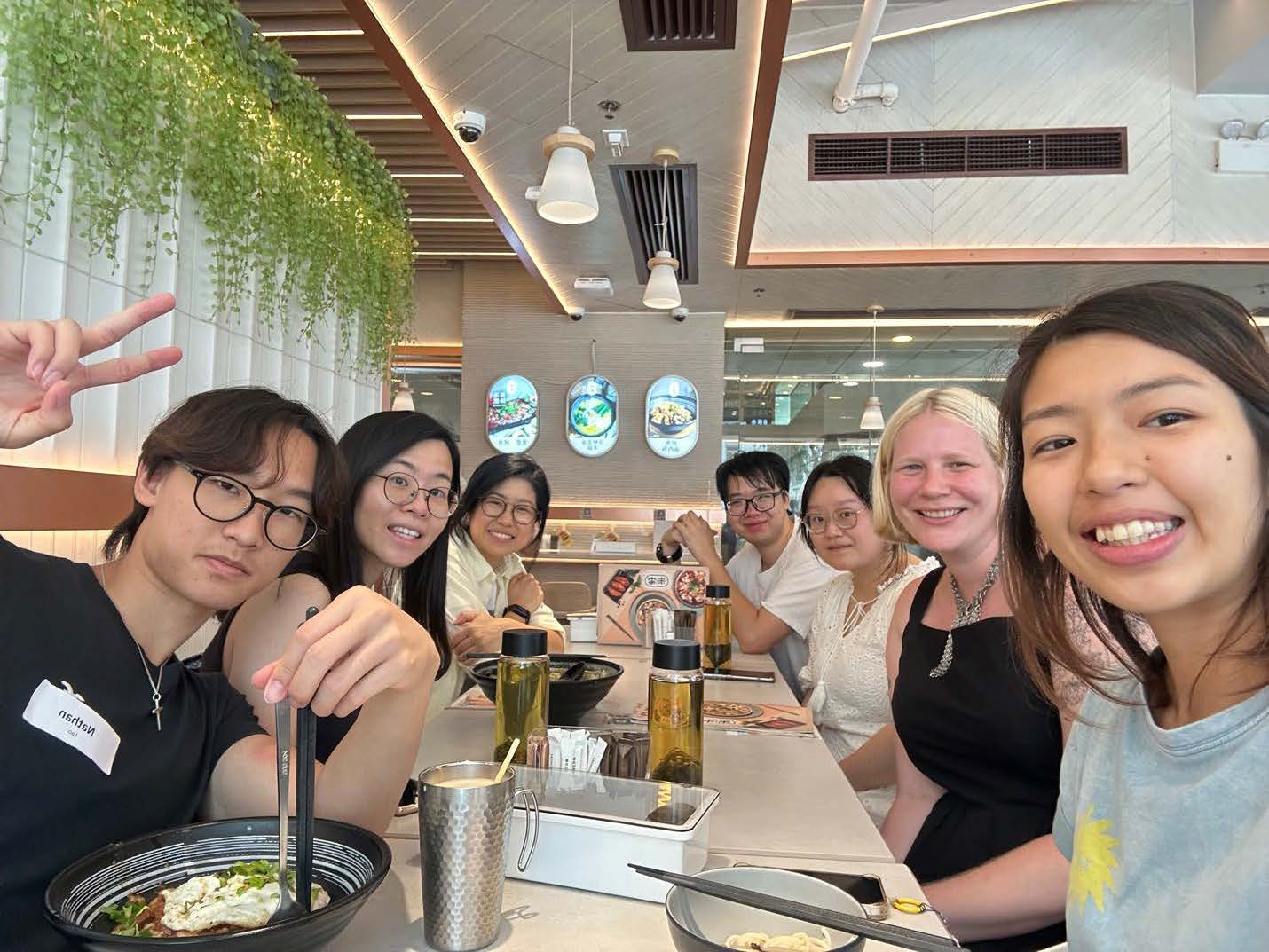
Participants shared stories that traced their trajectories across continents. From
formative years in Hong Kong’s skate and punk subcultures to creative engagements
abroad, their experiences reflect how transnational mobility can either fracture or
deepen Hong Kongers’ sense of belonging. Some participants shared the difficulties
friends or family members experienced after moving to the UK post-NSL, and reflections
that emerged only after leaving regarding the true benefits of remaining in Hong Kong,
even if free speech no longer exists in the same capacity as it did pre-NSL.
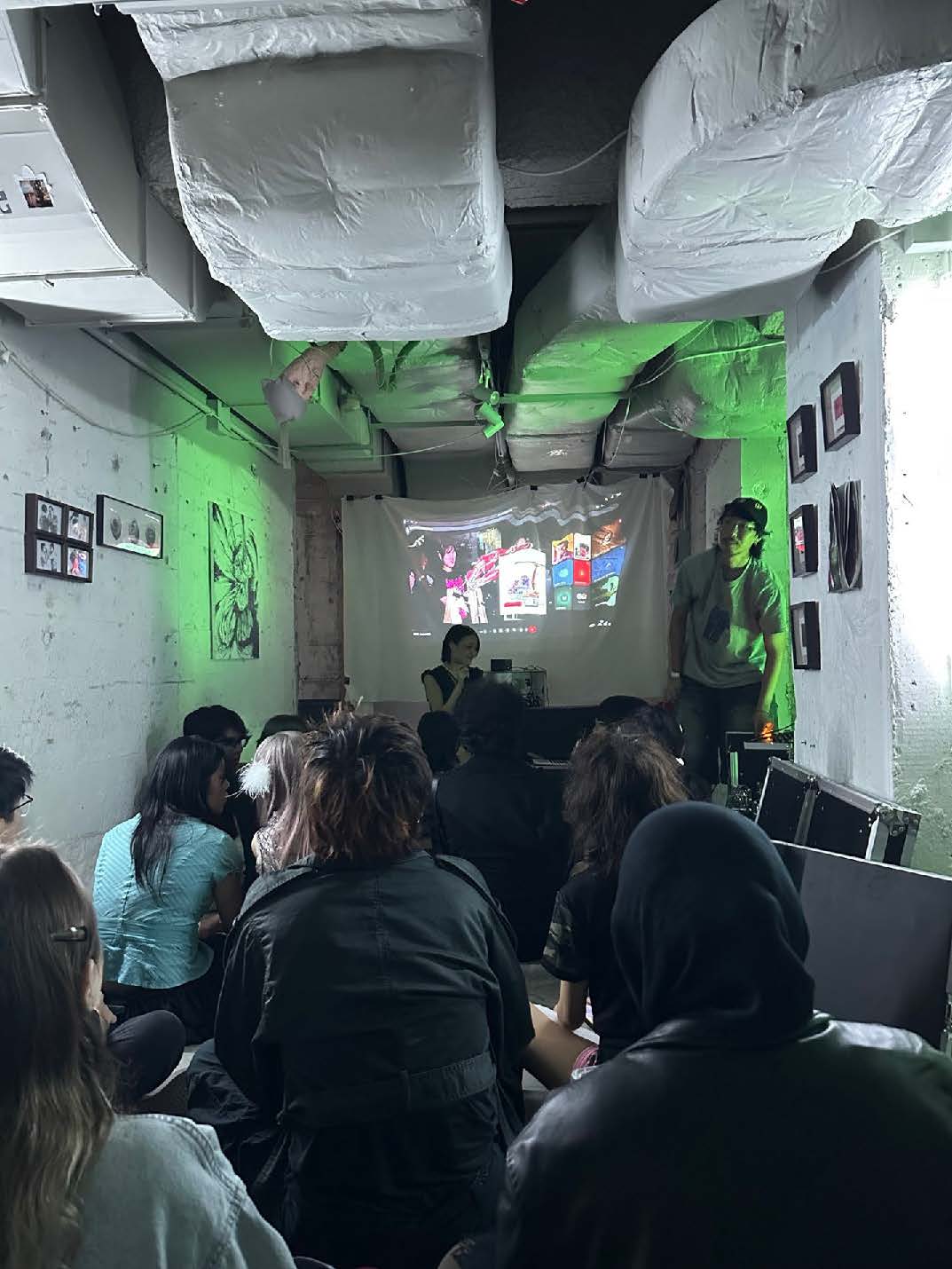
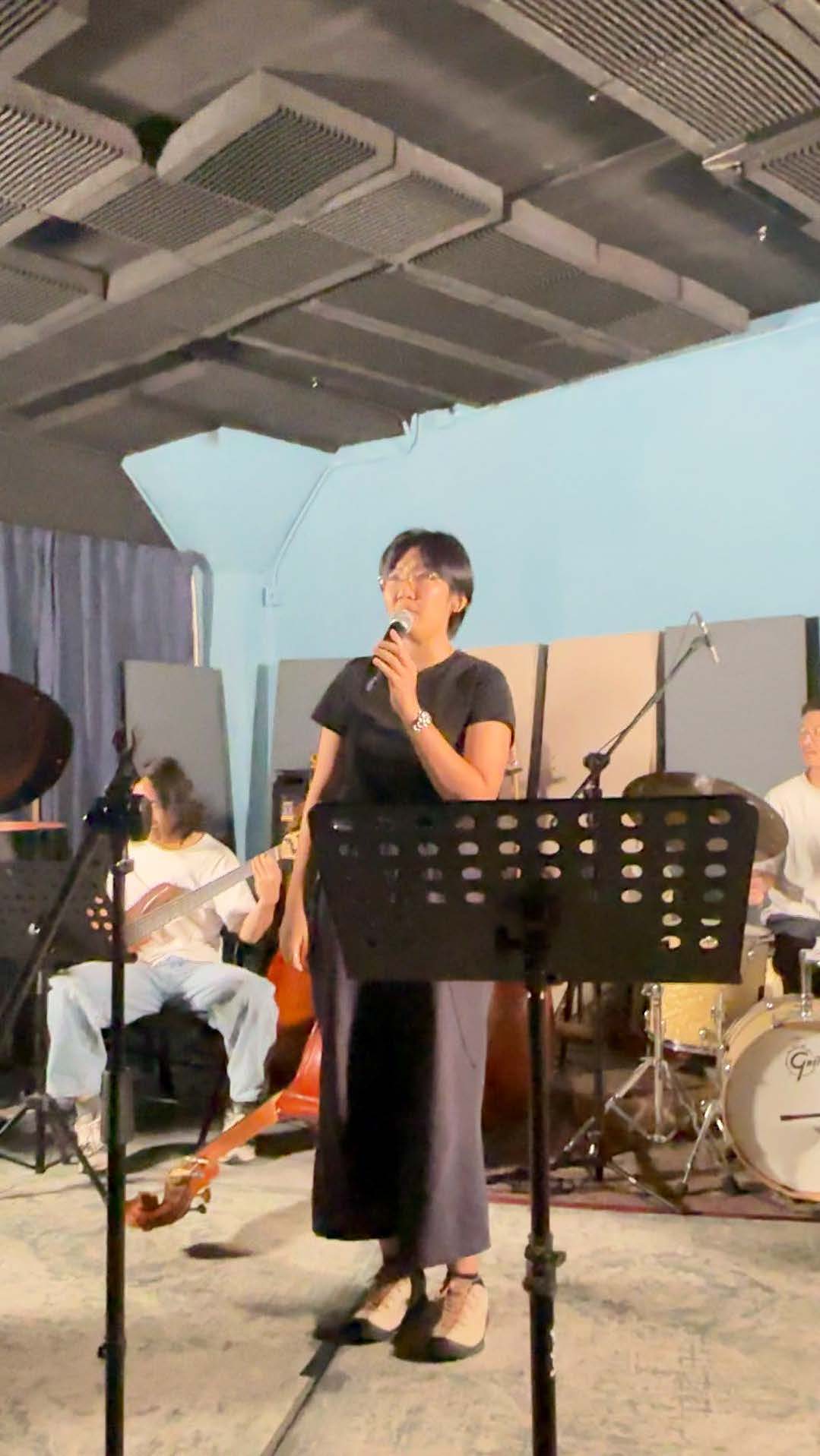
Within these interviews, the local music scene and its various subcultures emerged
as a crucial site of resilience and expression for Hong Kongers. Venues such as Hidden
Agenda (now defunct), The Aftermath, and President Studio, alongside independent record
shops like In Free, and artist collectives like Critical Mass serve as spaces of creative
solidarity. These spaces serve as places for community connection and expression,
even as they confront bureaucratic pressures, economic instability, and state surveillance.
These spaces also serve as third spaces for young people to gather and develop their
artistic projects with a supportive community around them.
|
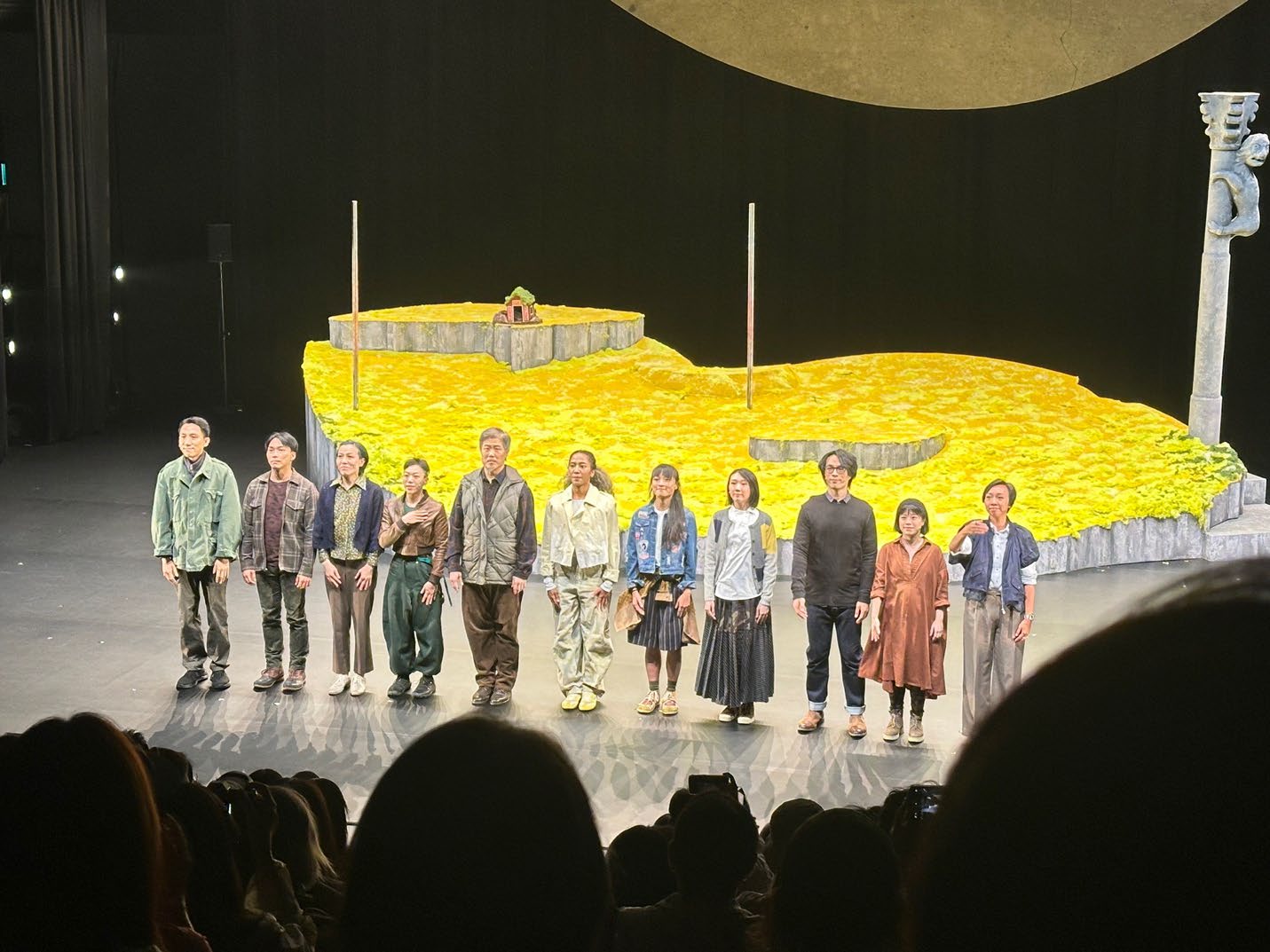
 The interviews also reflected broader societal transitions in post-Covid Hong Kong:
a creative exodus of artists abroad, the government’s strategic investment in cultural
and technological rebranding, and the reconfiguration of local identity amid increasing
integration with mainland China. The interviews also reflected broader societal transitions in post-Covid Hong Kong:
a creative exodus of artists abroad, the government’s strategic investment in cultural
and technological rebranding, and the reconfiguration of local identity amid increasing
integration with mainland China.
Participants noted the rise of Mandarin in public soundscapes, changing demographics,
and the growing prominence of AI-driven arts and cultural tourism, which together
signal a distinct shift from Hong Kong’s former identity as a hub for more localized
arts and cultural tourism.
 Geometrically close to Shenzhen, many participants also mentioned the benefits and
downfalls of competing with the mainland Chinese city. On one hand, Shenzhen offers
cheap food and lodging, excellent service, and access to many varieties of goods at
a low cost, but on the other, draws many Hong Kongers out of Hong Kong on the weekend,
and with them, their financial investment. Many participants lament the shutdown of
longstanding local restaurants in recent years, attributing some of this loss to Shenzhen’s
allure as a growing tourist destination. Geometrically close to Shenzhen, many participants also mentioned the benefits and
downfalls of competing with the mainland Chinese city. On one hand, Shenzhen offers
cheap food and lodging, excellent service, and access to many varieties of goods at
a low cost, but on the other, draws many Hong Kongers out of Hong Kong on the weekend,
and with them, their financial investment. Many participants lament the shutdown of
longstanding local restaurants in recent years, attributing some of this loss to Shenzhen’s
allure as a growing tourist destination.
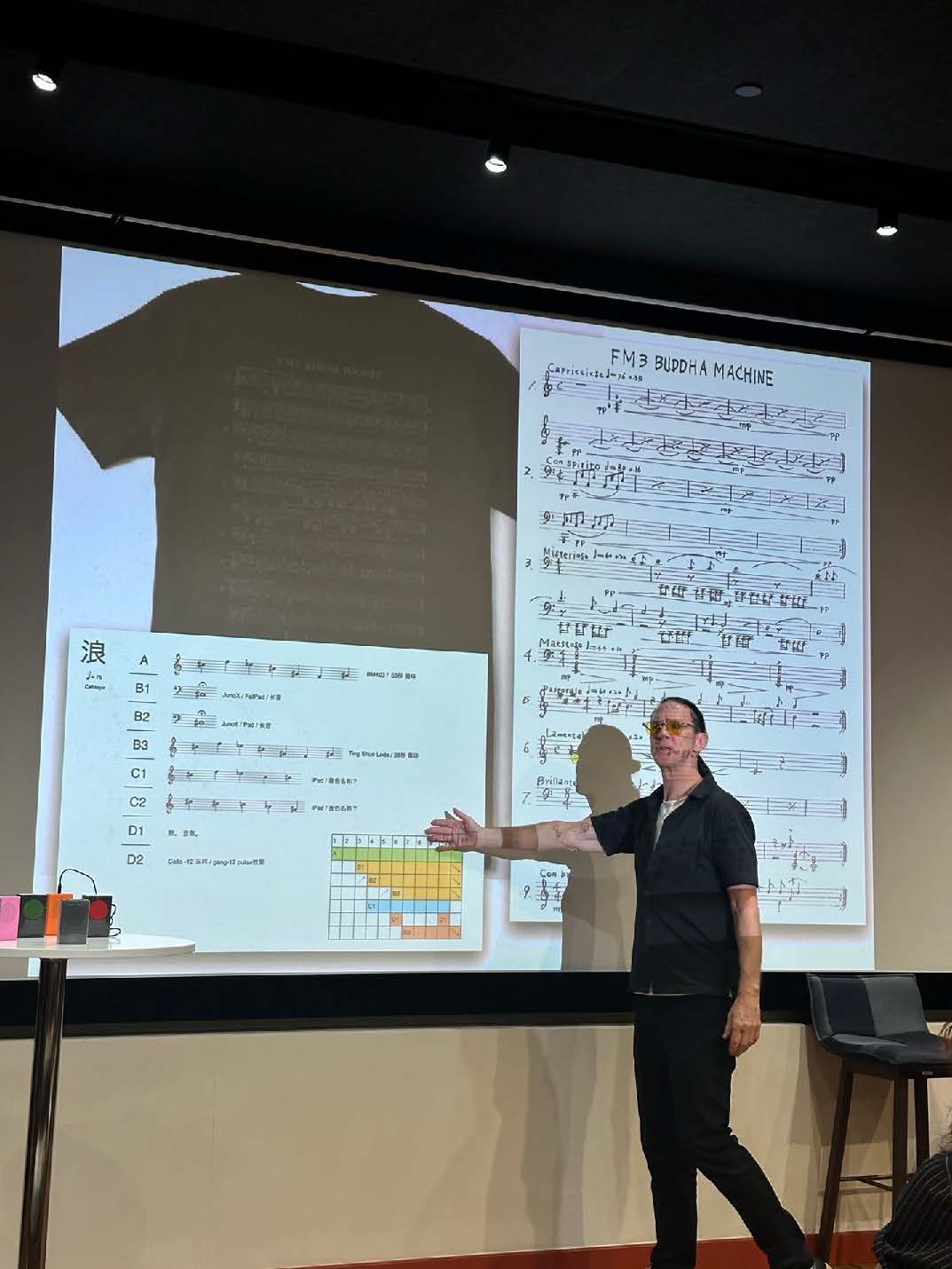 Through this fieldwork, I came to understand ethnography not merely as data collection
but as an act of engaged listening and ethical witnessing. In an environment where
public expression is constrained, allowing individuals to articulate their experiences
of loss, grief, hope, and dreams for the future of Hong Kong was rich experience.
The most significant insight from this research is that Hong Kong’s identity endures
not through static traditions, but through the creative work of those who continue
to reimagine new forms of expression in their artistic and musical endeavors as a
way of expressing localized identity, voice, and subjecthood. Through this fieldwork, I came to understand ethnography not merely as data collection
but as an act of engaged listening and ethical witnessing. In an environment where
public expression is constrained, allowing individuals to articulate their experiences
of loss, grief, hope, and dreams for the future of Hong Kong was rich experience.
The most significant insight from this research is that Hong Kong’s identity endures
not through static traditions, but through the creative work of those who continue
to reimagine new forms of expression in their artistic and musical endeavors as a
way of expressing localized identity, voice, and subjecthood.
|
