
Kira Diaz
Undergraduate Recipient, Political Science and Business double major
Guiliano Fellow, Spring 2025
“Studying Religion’s Role in Global Development” (Austria, Vienna)
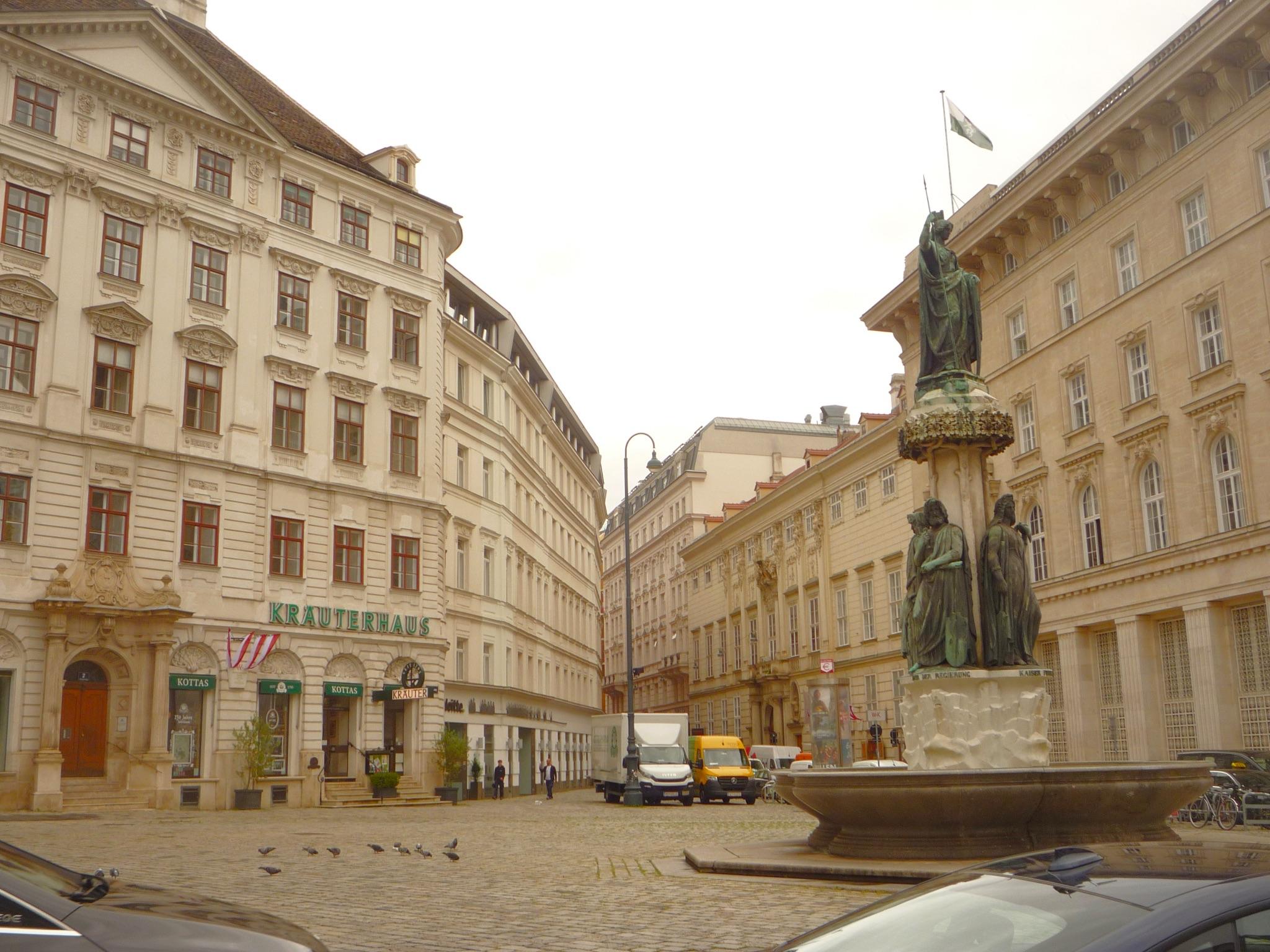
 I had the incredible opportunity to participate in the annual European Academy of Religion (EuARe) conference in Vienna, Austria. The central question guiding the conference was: "What is the role of religion in modern social cohesion from a European perspective and beyond?" Over the span of five days, this question was explored by six keynote speakers, 200 panels led by 1,200 scholars, professionals, and students from around the globe. Addressing this question is vital because, despite an increasingly secularized EU, over 67% of the population identifies as having religious affiliations. If the collective dream of social cohesion and continued development toward long-term prosperity and equality is to be realized by all, this significant demographic must be factored into the creation and execution of EU policy. As keynote speaker Dr. Franz Fischler aptly stated,  "Change in democracy starts from the ground, and it does not fall from heaven." Meeting and exploring Vienna with other scholars and students from the conference was an additional unforgettable experience. Our conversations offered diverse perspectives on the impact of religion and its future direction, encompassing European, American, and Asian viewpoints. As a young scholar, I was truly inspired to learn the "why" behind the work of experienced humanitarian aid and education professionals. They were driven by strong, personal moral ideals and a refusal to let silence prevail in the face of violence. The European Academy of Religion conference in Vienna left me with more questions
than I had when I arrived, but it also sparked an even stronger desire to join grassroots
initiatives. The I am eager to make a tangible impact on those around me while continuing to broaden my understanding of the world.
|
|

GRADUATE STUDENT APPLICATION INFORMATION
UNDERGRADUATE STUDENT APPLICATION INFORMATION
Application Deadlines:
Fall deadline: October 1 (Projects will take place during the Winter Session or spring semester)
Spring deadline: March 1 (Projects will take place during the Summer Session or fall semester)
Please submit any questions here.