Āb anb ār
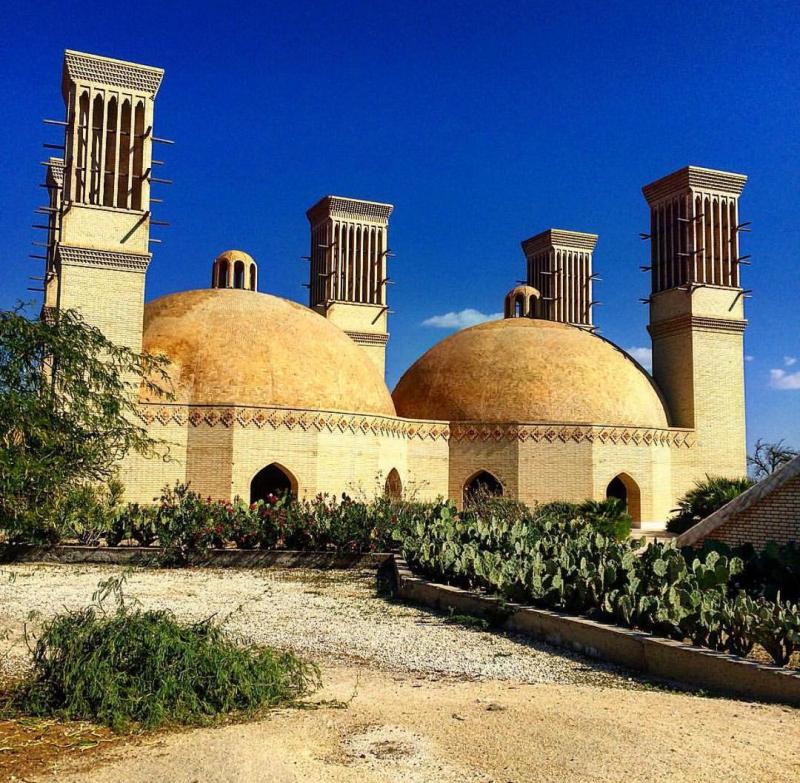
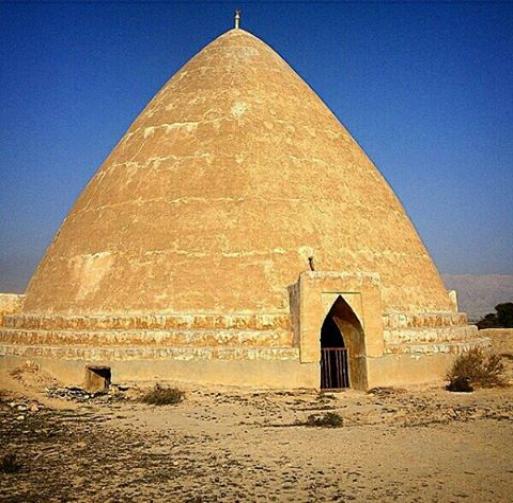
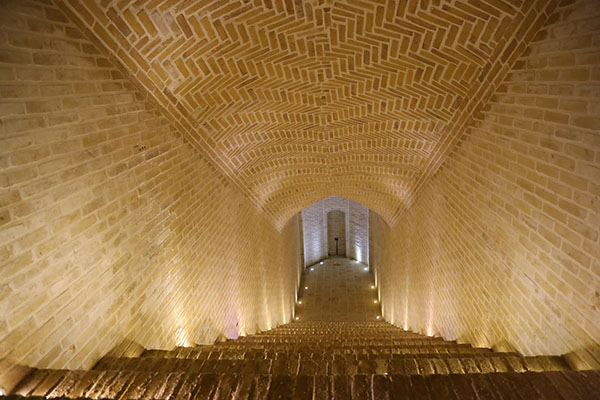
Āb anbārs (Persian : آب انبار , literally “water reservoirs”) are a type of earthquake-resistant, and temperature-stratified underground water storage system or cistern that has been used in region around what’s now Iran well into the distant past.
The āb-anbār was one of the constructions developed in Iran as part of a water management system in areas reliant on permanent (springs, qanāt s) or on seasonal (rain) water. A settlement’s capacity for storing water ensured its survival over the hot, dry season when even the permanent water supply would diminish. Private cisterns were filled from qanāt s (man-made underground channels) during the winter months before the floods, while surplus flood water could often be stored in open tanks, as well as in the large, public, covered cisterns . Water was brought to the cisterns by special channels leading from the main qanāt or holding tanks and was controlled by sluice gates. The āb-anbār , a ventilated storage chamber, could then provide cool water throughout the summer months. Often rooms or pavilions were built within the complex of the cistern to provide a comfortable resting place as well.
Read more:
ĀB-ANBĀR i. History ii. Construction